
In a life threatening emergency in Europe, call 112. In the US and Canada, call 911. Keep enough at home for 7 days: water, food, medicine and a battery radio. Plan 3 litres of water per person per day. Emergency numbers by country
Emergency numbers by countryThe signal drops. You don't.
Printable plans for blackouts, floods, fires and network failures, built on official guidance from Europe and beyond.
Or browse the full guidesThis week's briefing
All briefingsWhen a Protest Disrupts a City: How to Prepare for Changes to Your Daily Route
Recent events in France and Belgium show how school closures, transport disruption and changing street conditions can affect families far beyond th...
Hybrid Threats in Europe: What Citizens Should Prepare For
Hybrid Threats in Europe and Citizen Preparedness Most people imagine that a national emergency begins with an unmistakable moment: a border is cro...
When Mobile Networks Fail: How to Communicate During a Crisis
Most people receive emergency information through a phone. Warnings arrive as notifications, municipalities publish updates online, families use me...
Preparedness Is No Longer About Preparing for One Type of Crisis
Earthquakes in Colombia, volcanic activity in southern Italy, drought along the Danube and extreme heat across Europe all point to the same reality...

New free guide
When the street is no longer safe
What Paris, Milan and Brussels taught us this October. How to tell a local disruption from a prolonged crisis, and what to do at home, at work and on the move.
Free PDF · 27 pages · Print it, share it.
Three steps. Start with one tonight.
Know your risks
Find out what can hit your area, how alerts reach you and who your official sources are.
Check your areaMake a plan
Meeting points, contacts on paper and who checks on whom when phones stop working.
Build your family planBuild your kits
A bag to leave in minutes and supplies to stay home for a week.
See both kitsBased on guidance from FEMA, the Red Cross, DSB and other national civil protection agencies.
Choose what you're preparing for.
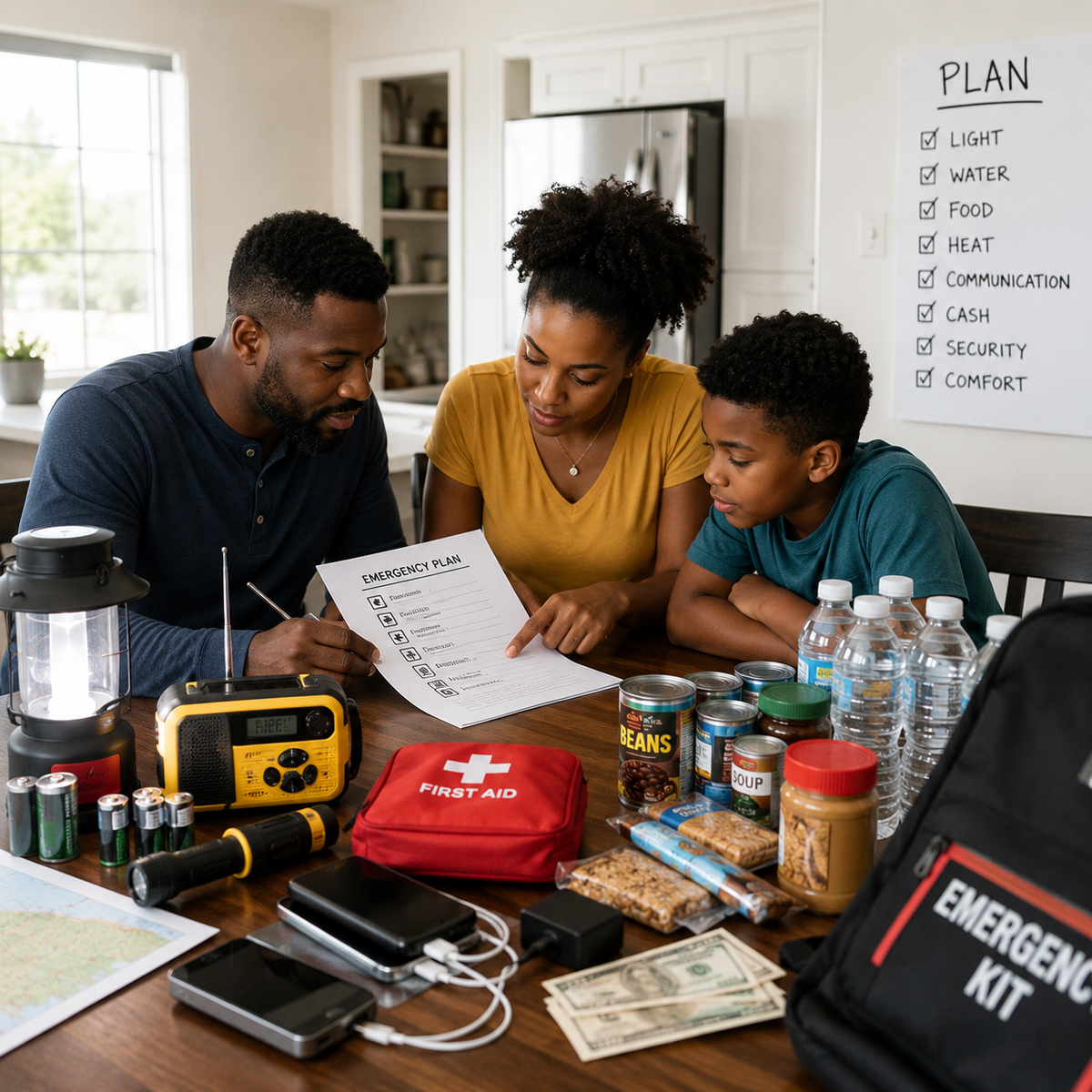
Power outages
Light, heat, food safety, cash and batteries, before, during and after.
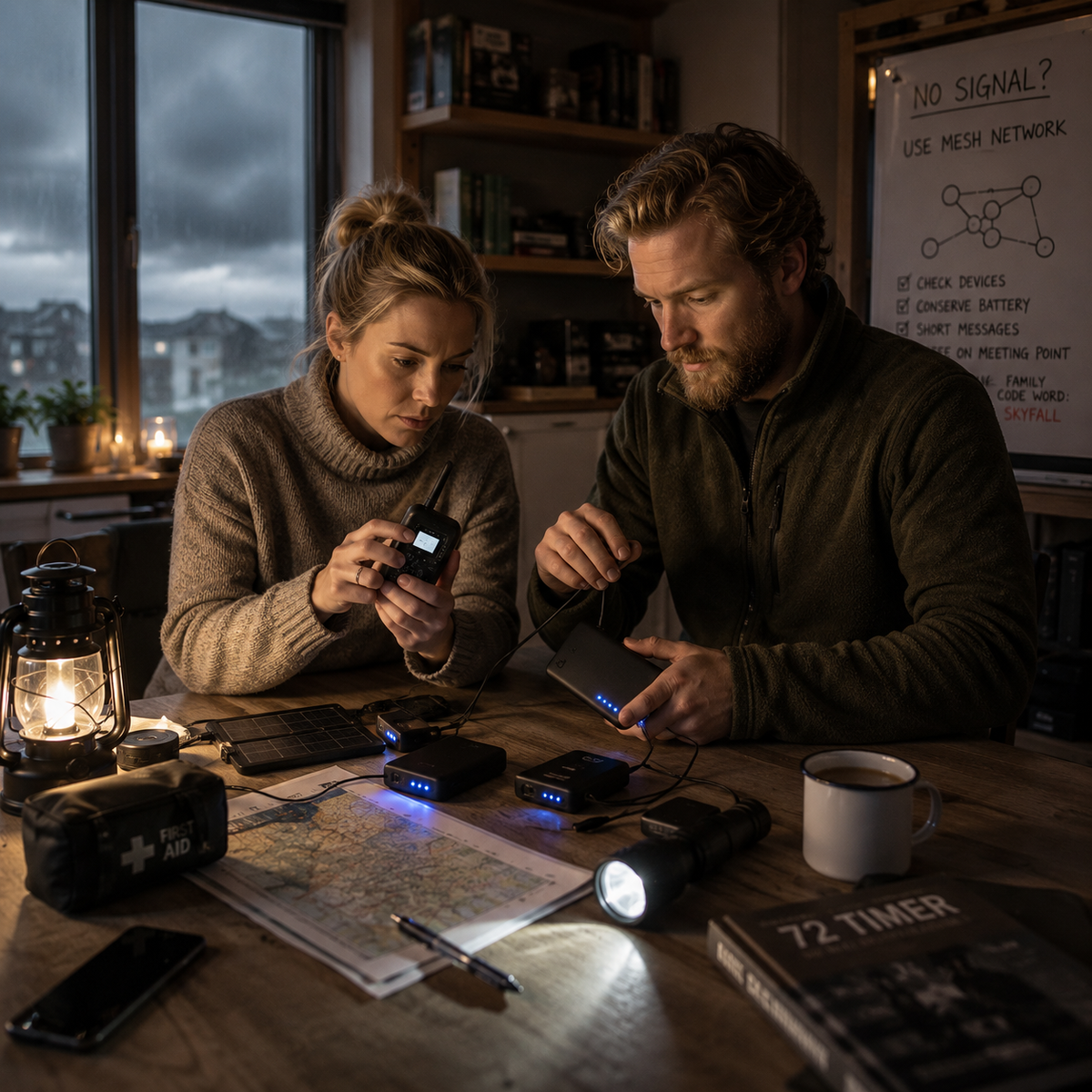
Communication failure
A family plan for when phones go quiet.
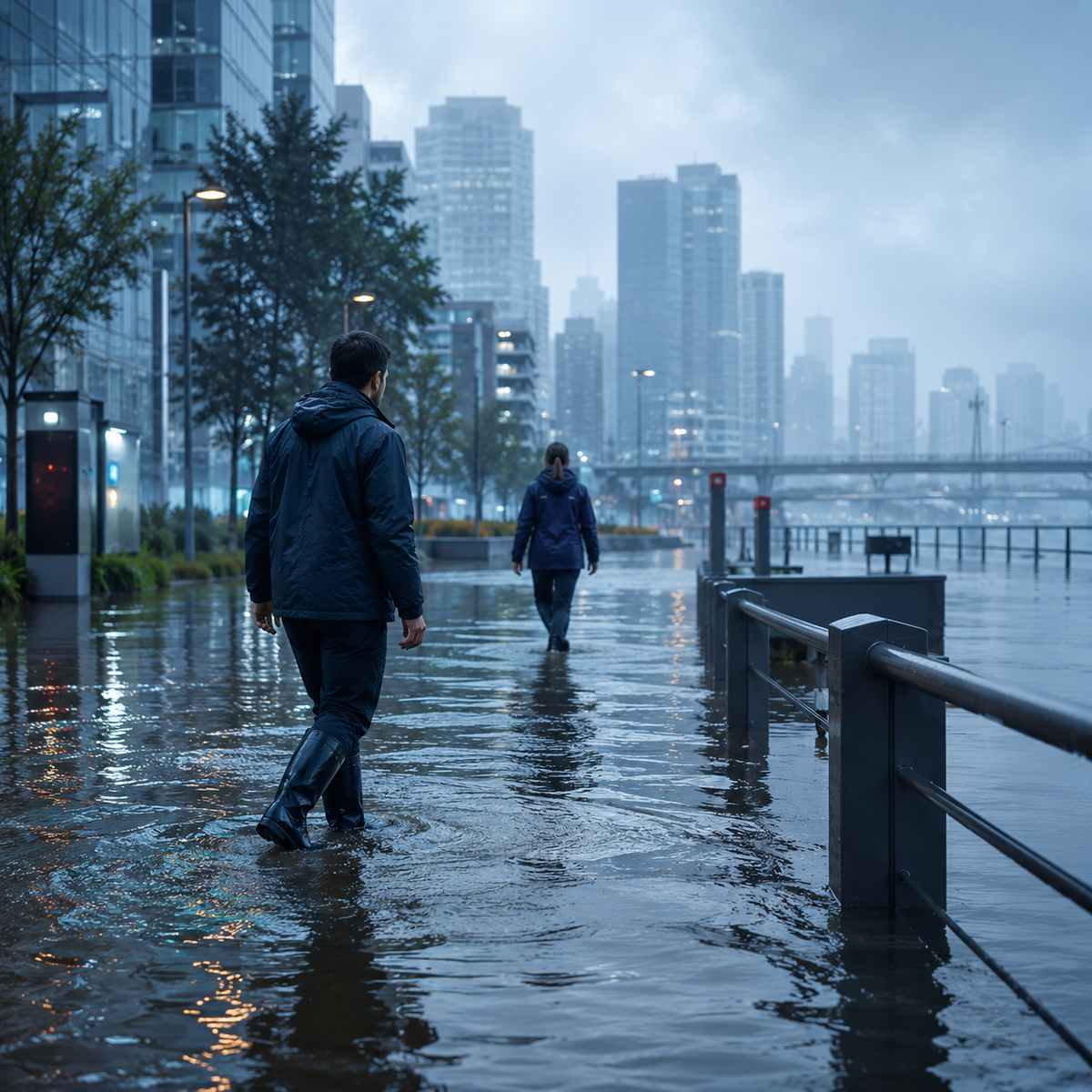
Floods
Documents up, utilities off, leave early.

Fires
Smoke, burns and household prevention.
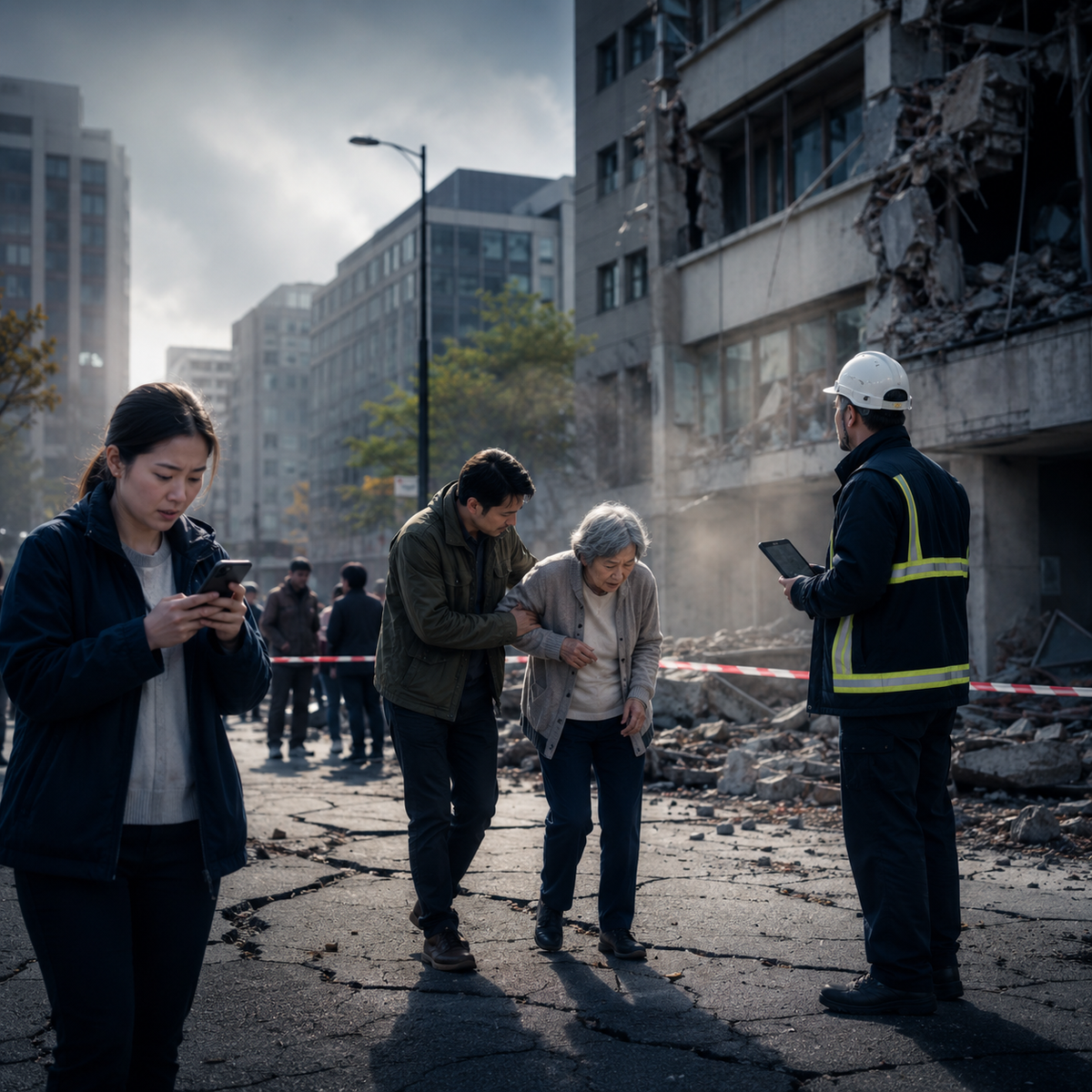
Earthquakes
The first seconds and the first day.
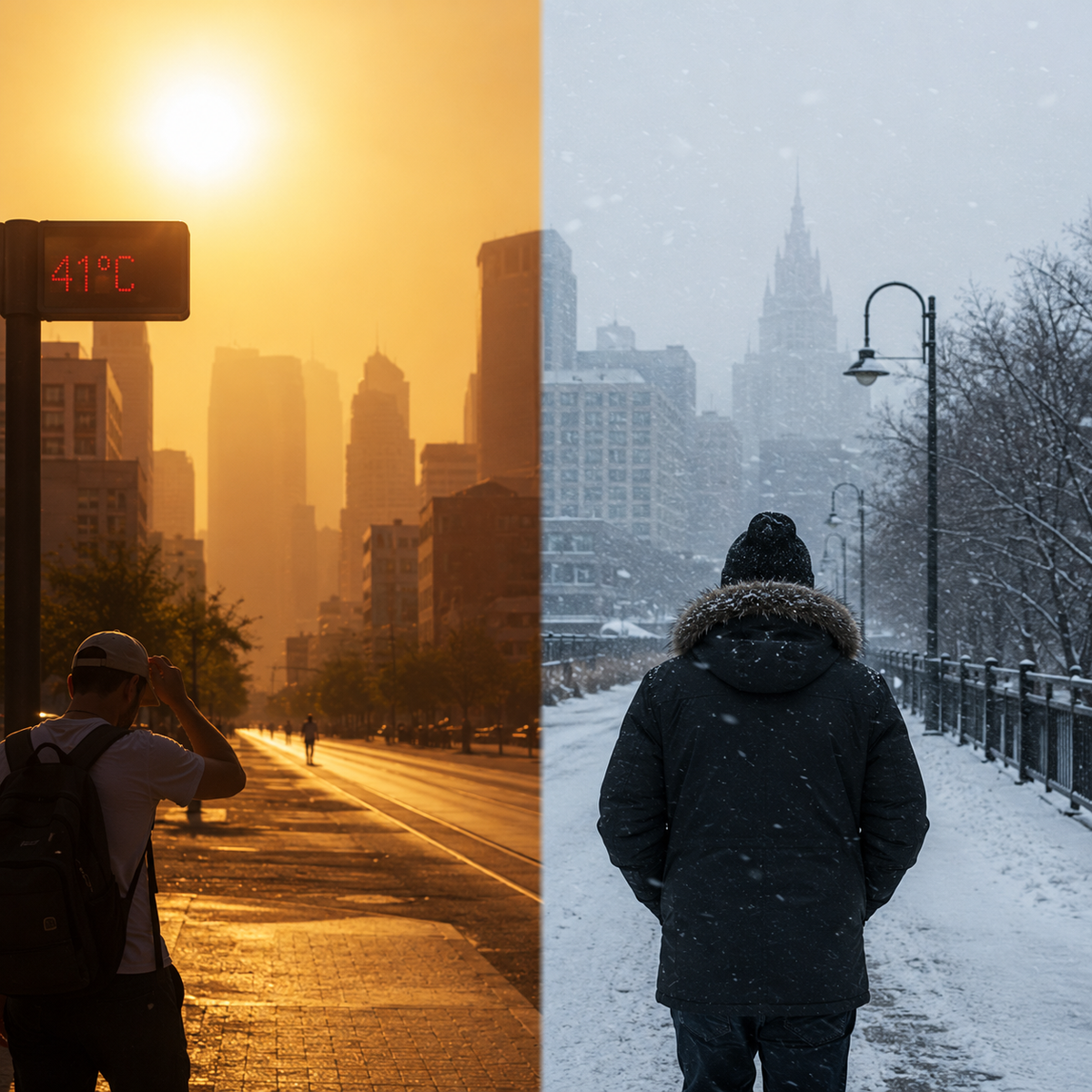
Heat and cold waves
Water, medication, vulnerable neighbours.
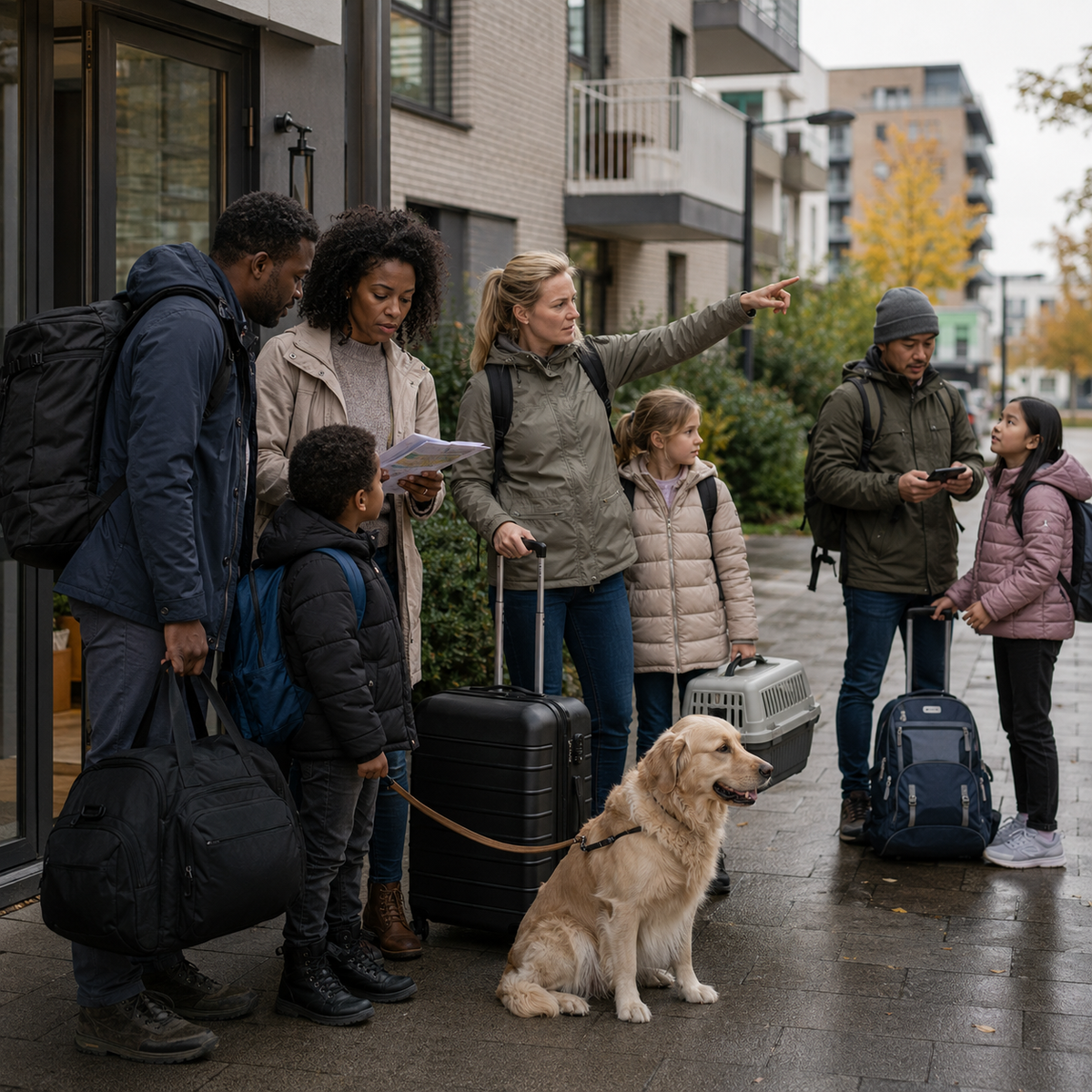
Urban evacuation
What to take and where to meet.

Mental resilience
Calm decisions, talking with children.
Two kits. One to go, one to stay.
72 h
The go-bag
One backpack per person, by the door. Six modules and 34 items for leaving home in minutes.
- AWater and food
- BDocuments and money
- CHealth
- DLight, power, info
- EClothing and warmth
- FTools
7 days
The home kit
Nordic authorities ask households to manage on their own for about a week. Water, heat, food, light, medicine and a radio for staying put.
- Drinking water
- Food that keeps
- Heat without power
- Light and batteries
- Battery or crank radio
- Medicine and first aid
What you carry when everything stops
One backpack per person, by the door. Six modules, 34 items, 72 hours away from home.
Open the full checklistNobody prepares alone.
Pick a preparedness buddy: a neighbour, a friend or a relative you agree to check on, and who checks on you, when the network goes down.
Make a buddy plan


Paperback (Spanish)
Citizen Preparedness Guides
14 chapters covering blackouts, cyberattacks, natural disasters, unrest and financial crises. Read it now, print it for later.
$6.00
See what's inside$6.00
See what's inside$6.00
See what's insideChoose a product for this edition in the theme editor.
Free, and always will be.
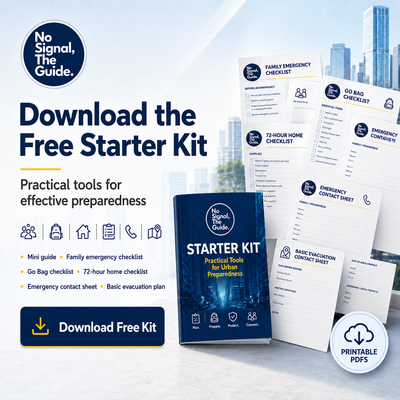 Starter emergency kit
Six printable files: starter guide, family checklist, 72-hour home list, contacts sheet, evacuation plan, go-bag list.
Starter emergency kit
Six printable files: starter guide, family checklist, 72-hour home list, contacts sheet, evacuation plan, go-bag list.
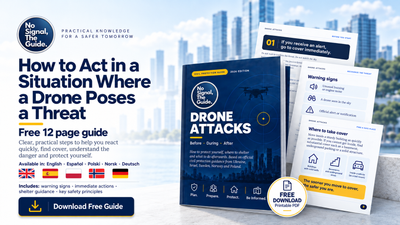 Drone risk situation
How to recognise risks and respond safely in an unexpected drone encounter.
Drone risk situation
How to recognise risks and respond safely in an unexpected drone encounter.
 Starting Over
Emotional support after an earthquake.
Starting Over
Emotional support after an earthquake.
Your municipality. Your risks. Your edition.
Custom guides for municipalities, schools and workplaces, with local contacts in every language your community speaks.
Request an editionRead the FAQ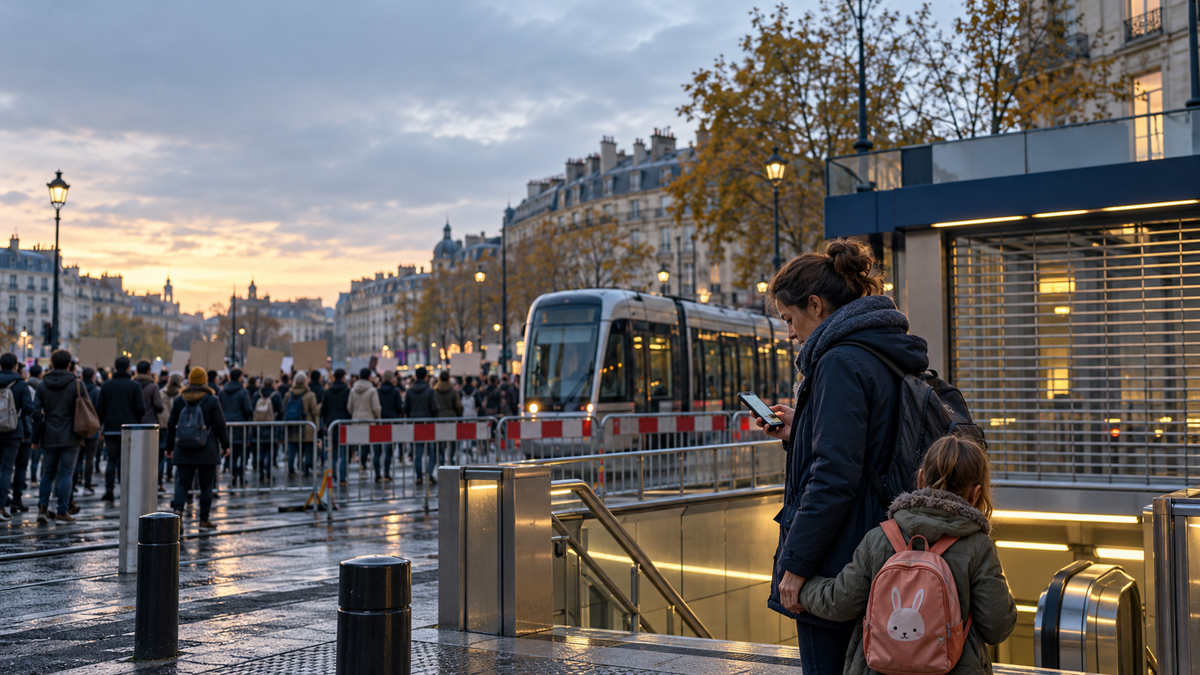
Emergency numbers and official sources
European Union
112
Works in every EU country
Always follow instructions from your local authorities.